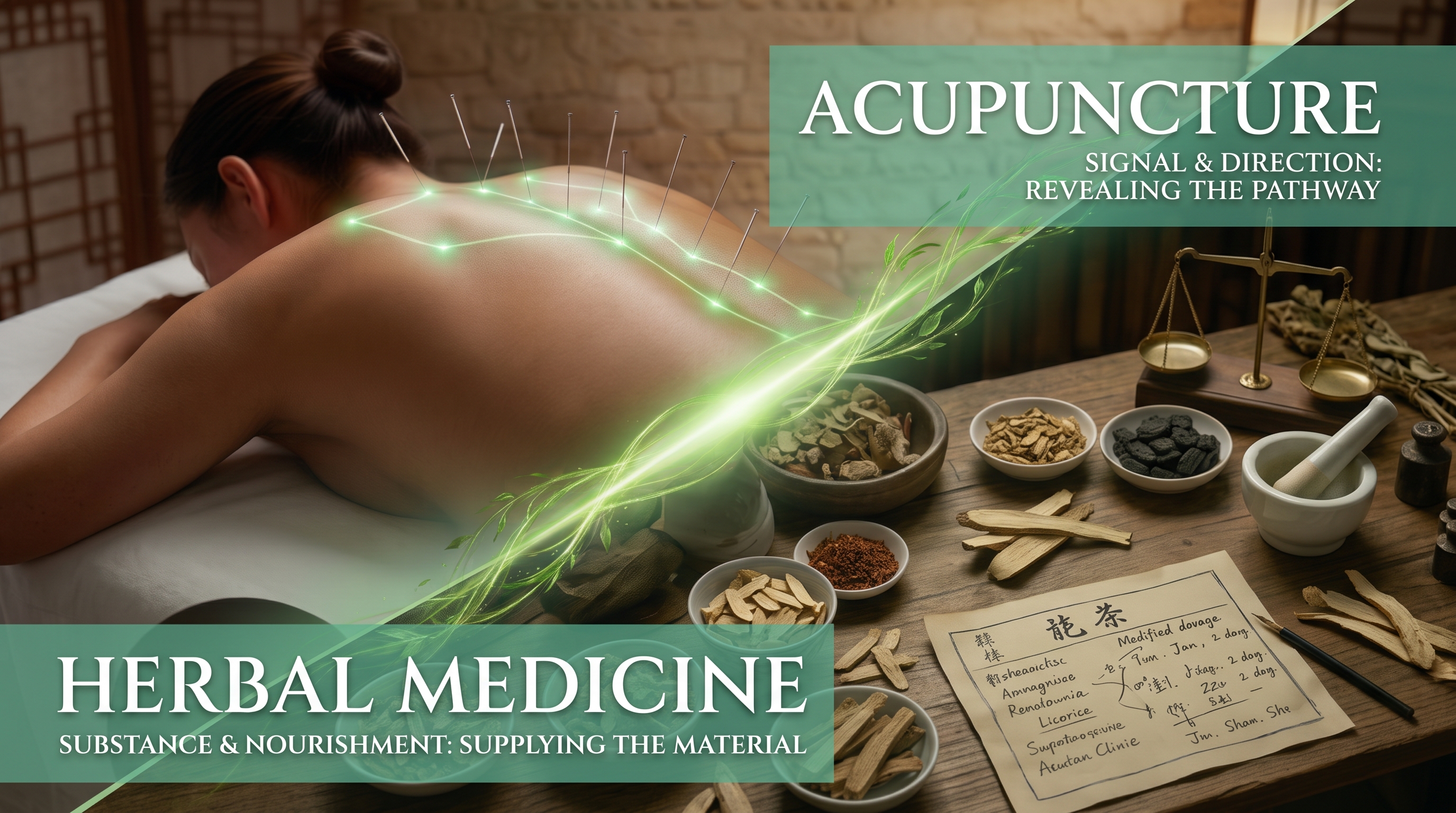
The carnivore diet consists entirely of animal-based foods. Traditional Chinese Medicine (TCM), a holistic system of healing that has existed for over 2,000 years, provides valuable insights into the potential risks of adopting a strict carnivore diet. According to TCM principles, health is achieved through balance — particularly the balance of Yin and Yang, the Five Elements, and the Qi (energy) that flows through the body.
1. Imbalance of Yin and Yang
In TCM, Yang represents heat, activity, and dryness, while Yin represents coolness, stillness, and moisture. Meat — particularly red meat — is a Yang food. An all-meat diet creates an excess of Yang energy and depletes Yin energy, leading to:
- Excessive Heat Symptoms: Inflammation, acne, dry mouth, restlessness, irritability, and night sweats.
- Yin Deficiency: Dry skin, constipation, insomnia, and a feeling of internal heat.
2. Poor Digestive Health
In TCM, the Spleen and Stomach are responsible for digesting food and transforming it into Qi. The Spleen prefers warm, cooked foods that are easy to break down. An overreliance on heavy, greasy meat burdens these organs and can lead to:
- Dampness and Phlegm: Bloating, weight gain, fatigue, and mucus production.
- Qi Stagnation: Abdominal pain, gas, and feelings of heaviness.
- Deficient Digestive Fire: Weakened digestion, reduced nutrient absorption, and chronic fatigue.
3. Absence of Fiber and Its Effects
A diet devoid of fiber may lead to:
- Constipation: Poor bowel movements create a buildup of toxins and Heat accumulation in the Large Intestine.
- Toxin Accumulation: Stagnation can manifest as skin rashes, irritability, and headaches.
4. Overburdened Liver
In TCM, the Liver is responsible for the smooth flow of Qi and blood. A diet high in animal protein can strain the Liver, leading to Liver Heat and Stagnation — irritability, anger, high blood pressure, and headaches. The Liver thrives with leafy greens, sour fruits, and herbal teas, which help to detoxify and cool the body.
5. Lack of Vital Energies from Diverse Foods
In TCM, health relies on the harmony of the Five Flavors (sour, bitter, sweet, pungent, salty) and the Five Elements. Each type of food nourishes a different organ system. Without the diversity of flavors, imbalances occur, leading to deficiencies and disharmony among organ systems.
Conclusion
While the carnivore diet may offer short-term benefits, Traditional Chinese Medicine emphasizes balance, diversity, and harmony in diet. For optimal health, TCM recommends a balanced diet incorporating a variety of whole foods — meat, vegetables, grains, and fruits — to maintain the delicate balance of Yin, Yang, Qi, and the Five Elements.