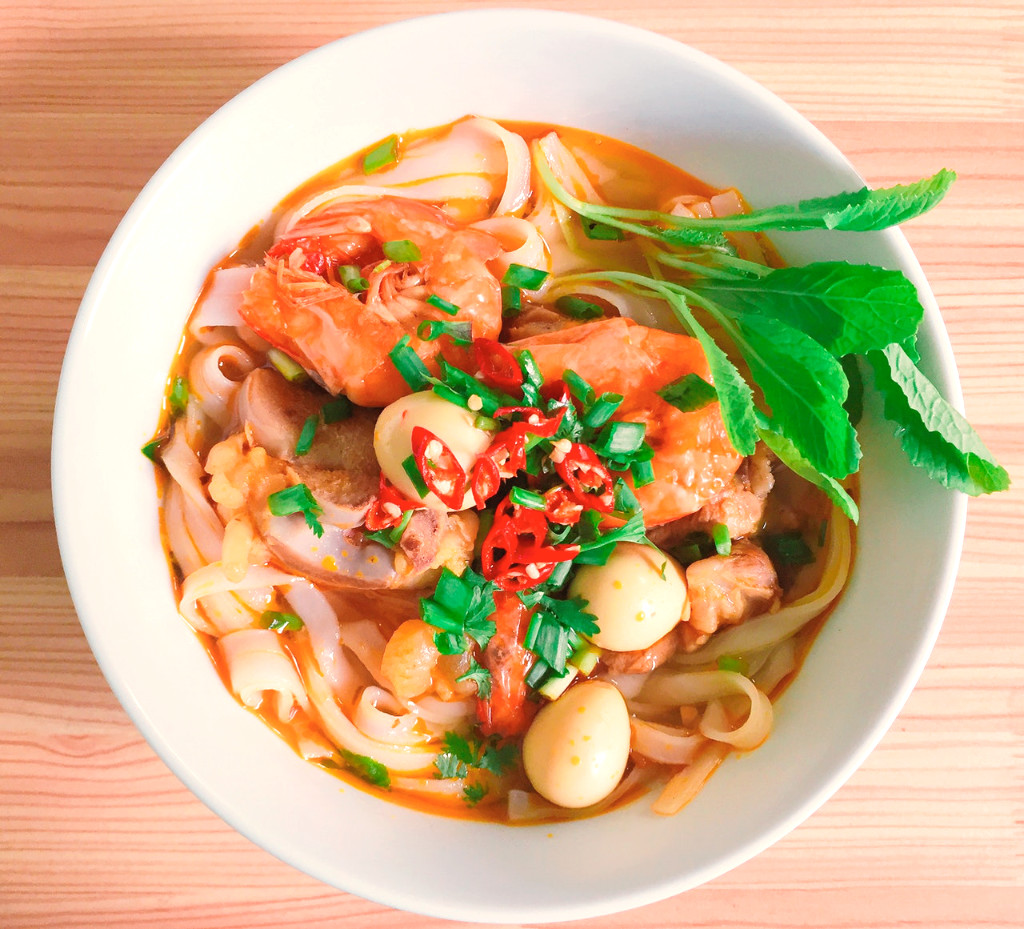
Vietnam cuisine is one that is rich in variety and flavors, because of several factors, including culture, climate, and historical events. Along with the Chinese influence on food culture came the cultural, technological, economical, and medical-science influences. In fact, Vietnam has its own modified form of Traditional Chinese Medicine because of the Chinese. In general, Vietnamese dishes tend to incorporate a variety of flavors, textures, colors, temperature, cooking styles, and food items to achieve taste.
The Five Elements
Because of China's introduction of Chinese Medicine in Vietnam, they utilize the Five Element principles in their medicine and cooking as well. The five elements have five flavors associated with them:
| Element | Flavor | Benefits |
|---|---|---|
| Fire | Bitter | Helps get rid of toxins and phlegm |
| Earth | Sweet | Nourishes and energizes the body |
| Metal | Pungent | Benefits respiratory system and encourages circulation |
| Water | Salty | Cools and moistens the body |
| Wood | Sour | Assists digestion and helps retain fluids |
Common Food Items Used
| Category | Items |
|---|---|
| Meats | Beef, chicken, pork, duck, duck eggs, chicken eggs, freshwater fish (carp, catfish) |
| Seafood | Crab, shrimp, lobster, clams, oysters, mussels, mollusks, snails, squid, prawns, octopus |
| Vegetables | Bitter melon, bok choy, cabbage, carrot, cauliflower, chayote, cucumber, daikon radish, eggplant, jicama, shallots, bean sprouts |
| Fruits | Custard apple, star fruit, soursop, durian, longan, lychee, mango, papaya, persimmon, dragon fruit, plum, pomelo, rambutan, mangosteen, guava, jackfruit, coconut, kumquat, lemon, lime, sugarcane, tamarind |
| Condiments | Fish sauce, soy sauce, prawn sauce, lime, shrimp sauces, chili sauce, hoisin sauce |
| Spices | Chilies, coriander, cinnamon, black pepper, star anise, cardamom, turmeric, nutmeg |
| Herbs | Mint (bo he), basil, perilla (zi su ye), cilantro, galangal, ginger, lemongrass, dill, culantro, Houttuynia cordata (yu xing cao), knotweed (bian xu), curry leaves, lotus seed |
Snacks and Desserts
The most famous dessert is Chè — a sweet dessert beverage, soup, or pudding usually made from beans, sticky rice, and mixed with coconut milk:
- Chè đậu trắng — Black-eyed peas, rice, and coconut milk. The standard variant of Chè.
- Chè đậu xanh — Mung beans and coconut water (optional: seakelp shreds). Mung beans clear toxins while moistening the body. Good for those with goiter.
- Chè hạt sen — Lotus seed and coconut water. Lotus seed calms the spirit and nourishes the digestive system. Good for those with menstrual problems.
Therapeutic Relevance
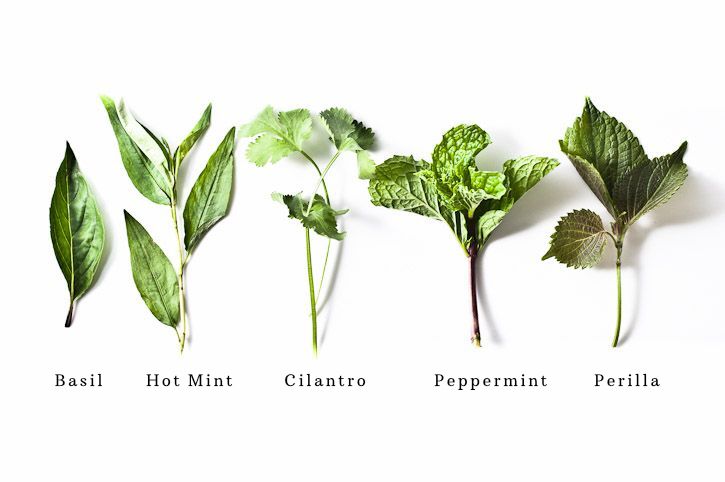
Vietnam's hot climate requires cooling, so Southern Vietnamese incorporate a lot of fresh raw herbs such as Yu Xing Cao (Houttuynia Leaf) and Peppermint with their meals. Central Vietnam is most famous for Bún bò Huế, a spicy beef noodle soup with lemongrass, cinnamon and dried chilies — very warming for the body, invigorating circulation, and can help clear nasal passages.
Pho Recipe
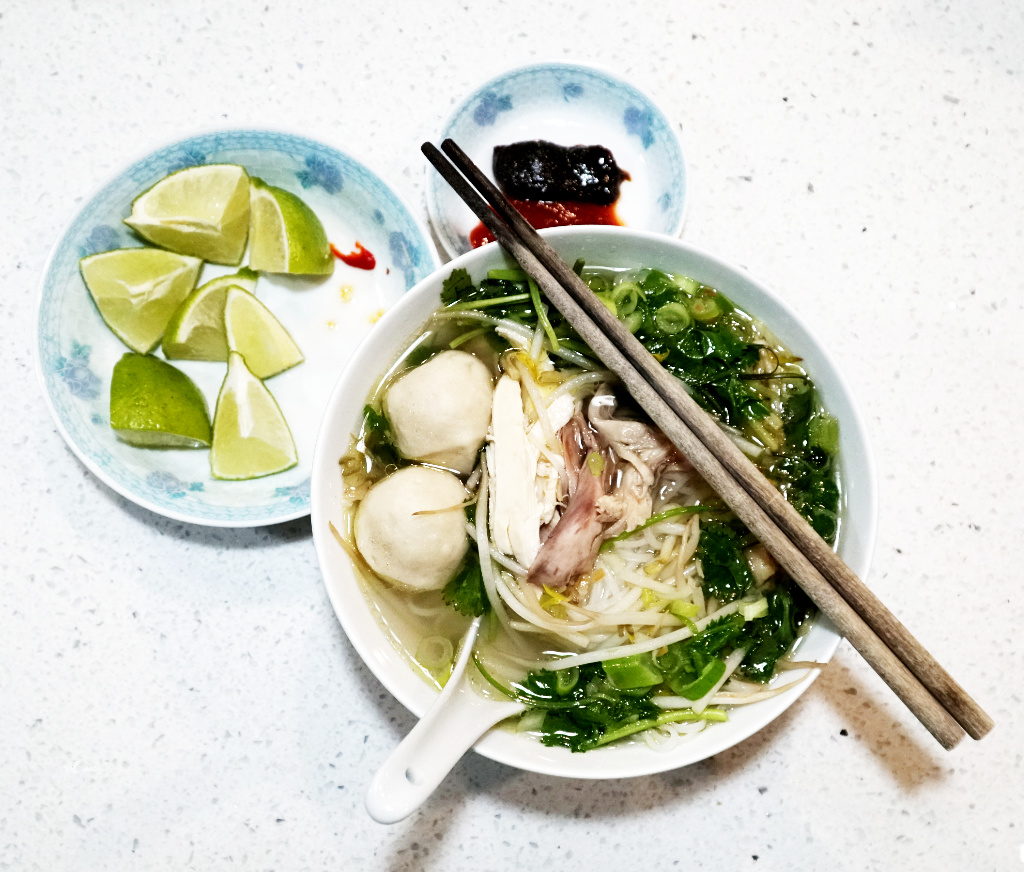
"We made this ourselves!" – Long Huynh, LAc and family
Ingredients
Soup: 4 lb beef bone, 1 onion halved, 5 slices of ginger, 2 star anise pods, 2.5 tbsp fish sauce, 1 tbsp salt, 4 quarts of water
Main Items: Rice noodles, 1.5 lb sirloin beef (thin sliced)
Condiments: Cilantro, green onion, bean sprouts, basil, lime, hoisin sauce, sriracha
Directions
- Bake beef bones until browned (1 hr)
- Char onions
- Add bones, ginger, onions, salt, star anise, and fish sauce into pot with 4 qts of water
- Bring to boil then reduce to low simmer for about 6–10 hours
- Boil rice noodles and set aside for assembly (per bowl)
- Put rice noodles in bowl and add condiments and some sliced beef
- Pour hot broth on top
- Enjoy
